




Central Asian countries news

 21.10.2026
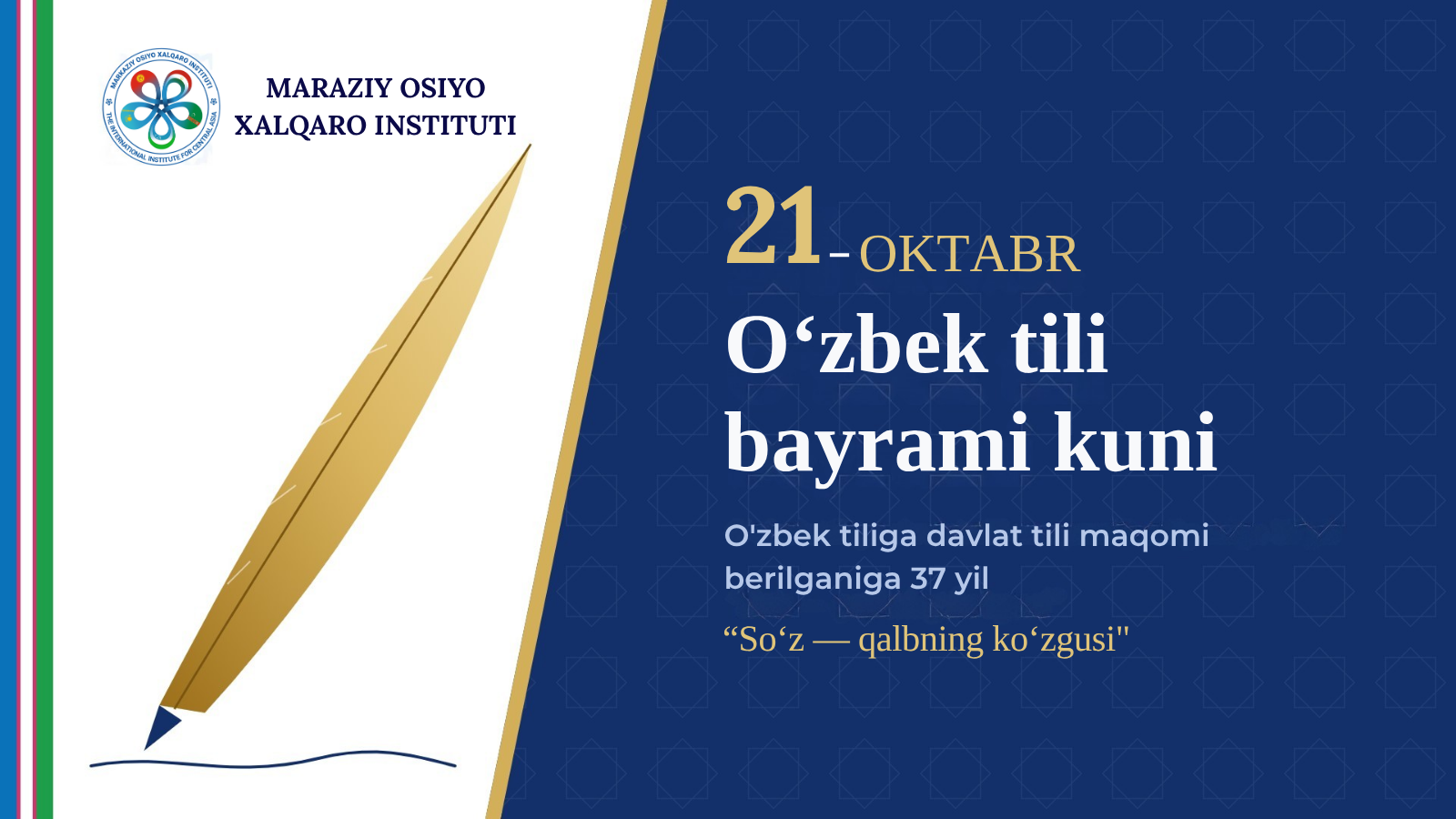
On October 21, 1989, the Uzbek language was granted the status of state language, and since then the day has become a symbol of national dignity and cultural continuity.
 17.06.2026
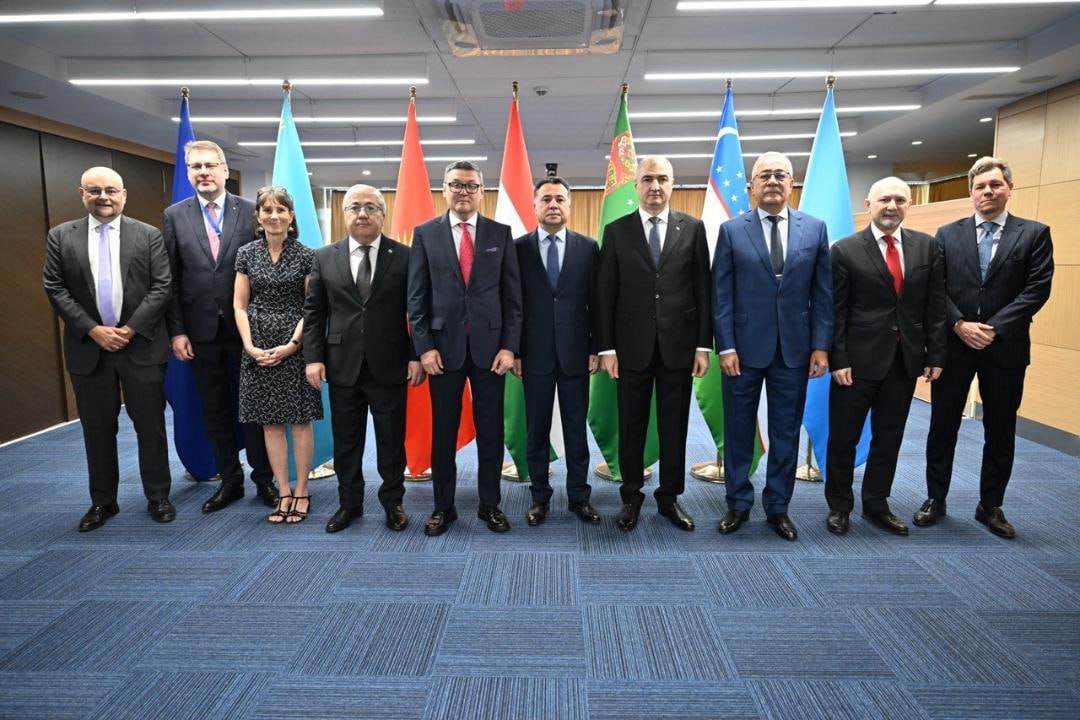
The 8th Meeting of Special Representatives and Envoys of the European Union and the Central Asian States on Afghanistan was held in Almaty.
 31.08.2026
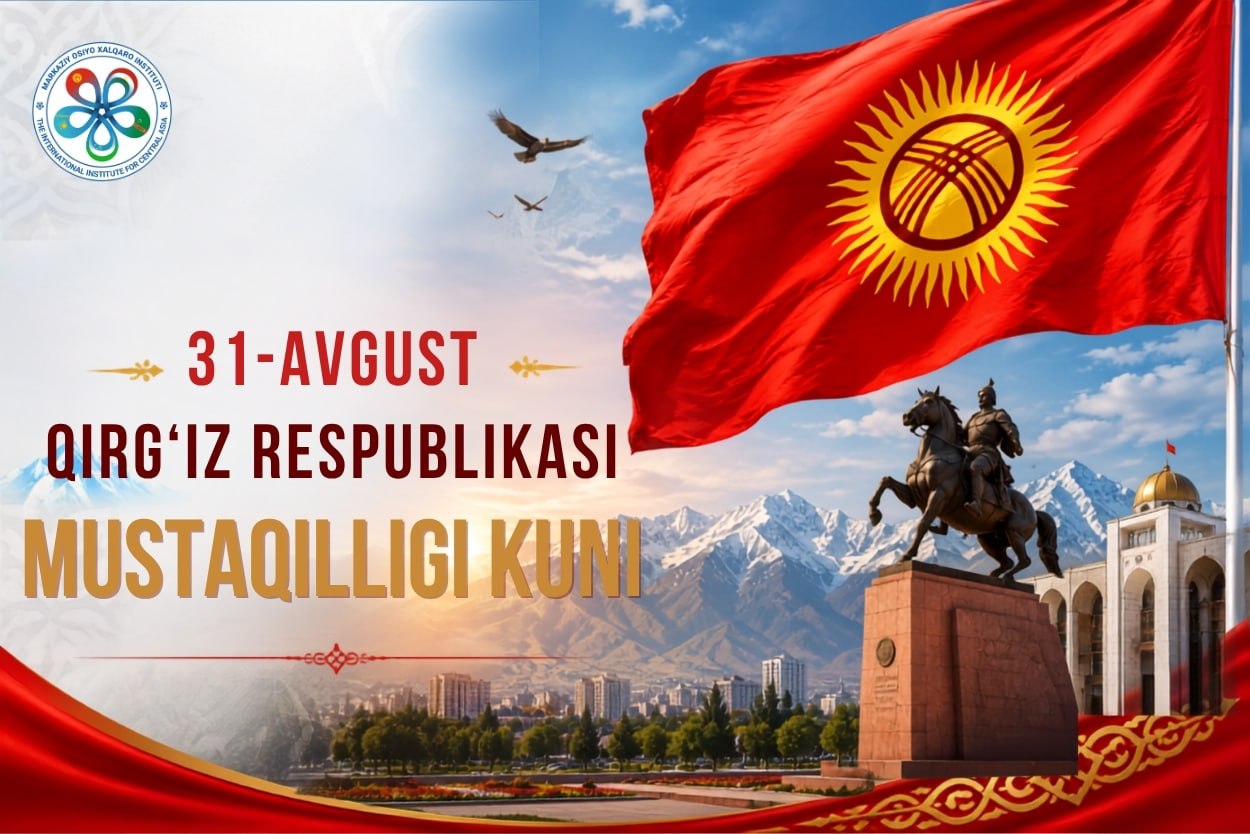
Fittingly, on this day Bishkek is hosting the anniversary SCO Summit — Kyrgyzstan holds the Organization’s chairmanship in the year of its 25th anniversary.
 13.09.2026
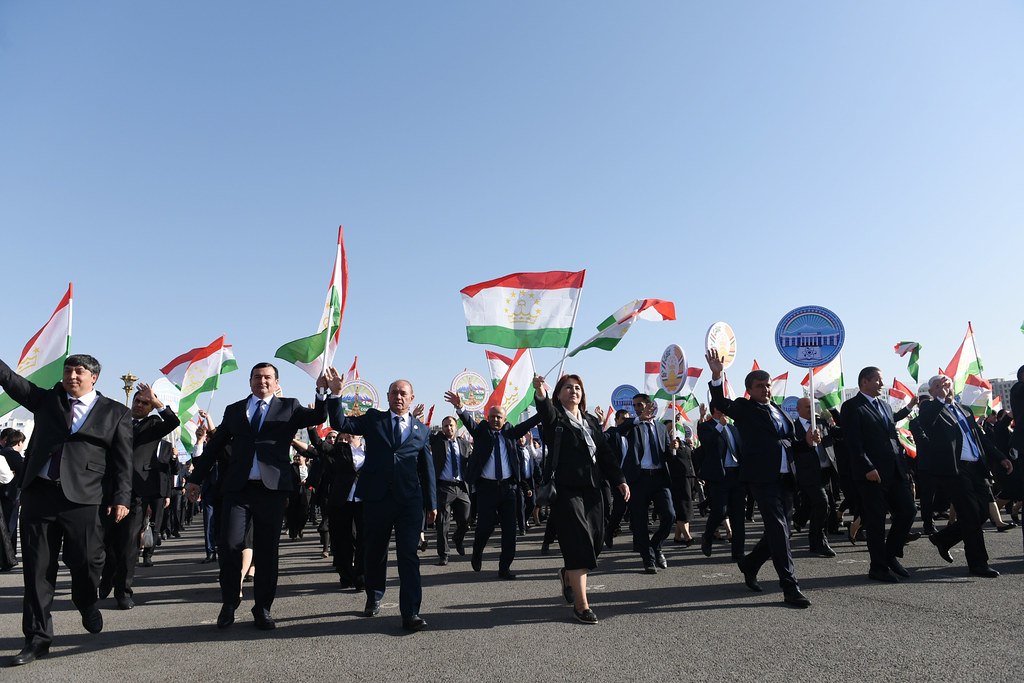
Two major facilities were inaugurated in Dushanbe ahead of the anniversary: the National Theatre and the National Stadium, designed to accommodate 30,000 spectators, which hosted a theatrical performance. The capital also held a ceremonial parade and a festive procession.
 27.09.2026
Uzbekistan and Turkmenistan share centuries of friendship and good-neighbourliness, and today our relations continue to grow as a strategic partnership.
 11.11.2025
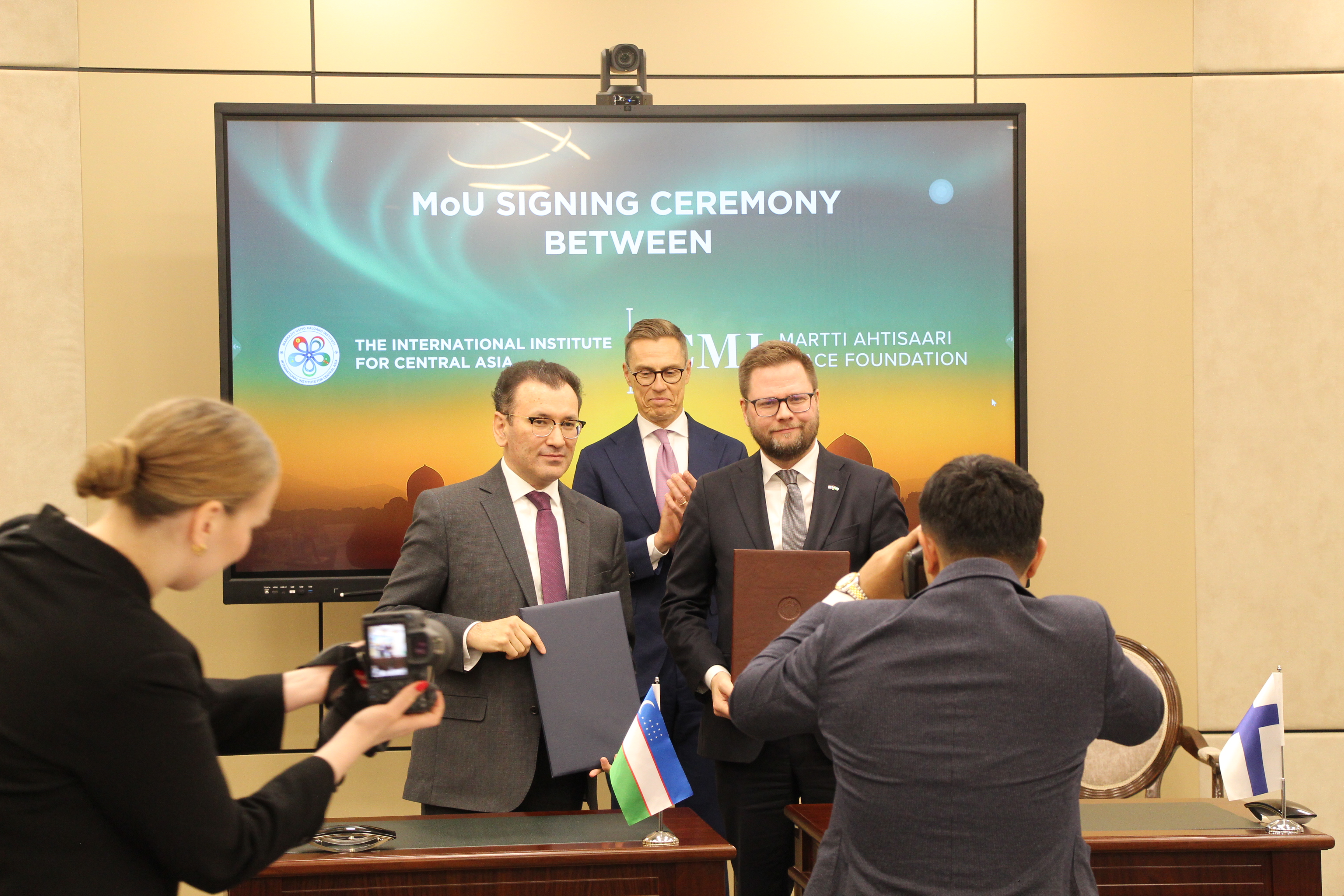
On October 31, the International Institute for Central Asia (IICA) hosted a roundtable discussion titled “Central Asia and the Nordic Countries: New Opportunities for Partnership” with the participation of H.E. Alexander Stubb, President of Finland. Within the framework of the event, a Cooperation Agreement was signed between the International Institute for Central Asia and the Martti Ahtisaari Peace Foundation.
Anons



Experts mind
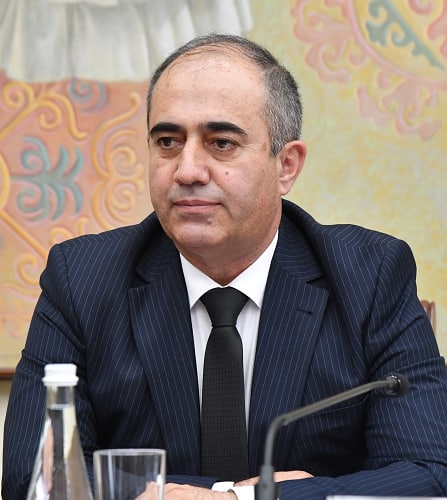
Khayriddin Usmonzoda
 Director of the Center for Strategic Studies under the President of the Republic of Tajikistan (CSS)
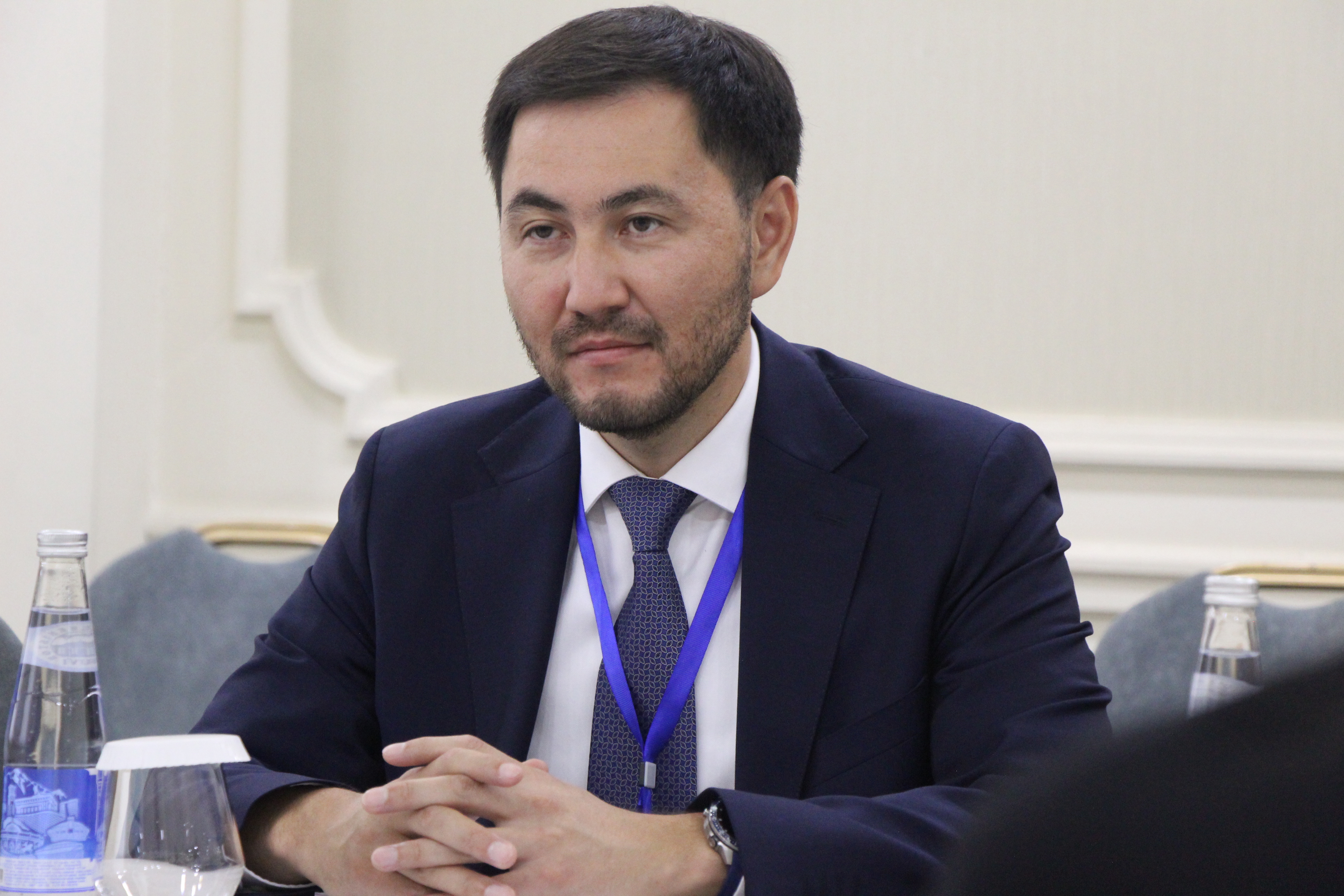
Zhandos Shaimardanov
Director of the Kazakhstan Institute for Strategic Studies under the President of the Republic of Kazakhstan (KISS)
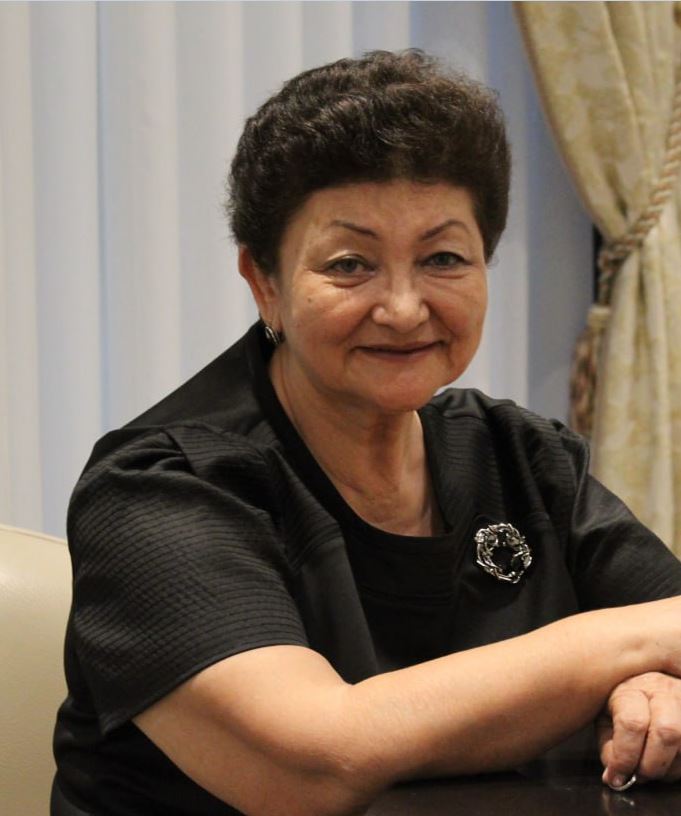
Guzel Maitdinova
Professor of the Department of Foreign Regional Studies and Foreign Policy of the Russian-Tajik (Slavic) University
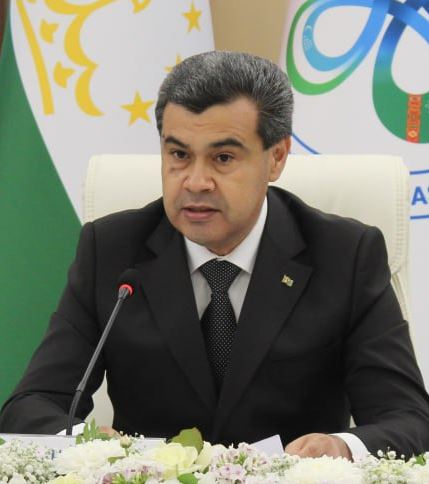
Gurbangeldiyev Jumamurad Shamuradovich
Rector of the Institute of International Relations of the Ministry of Foreign Affairs of Turkmenistan (IIR)








Useful links





Attention! If you find an error in the text, select it and press Ctrl + Enter to notify the administration
Site development:

Savolingiz bormi? AI Maslahatchi

IICA Virtual Assistant
Onlayn