The report was launched ahead of the Regional Environmental Summit and the meeting of the Council of Heads of State of the International Fund for Saving the Aral Sea (IFAS), held in Astana on April 22–24, 2026.
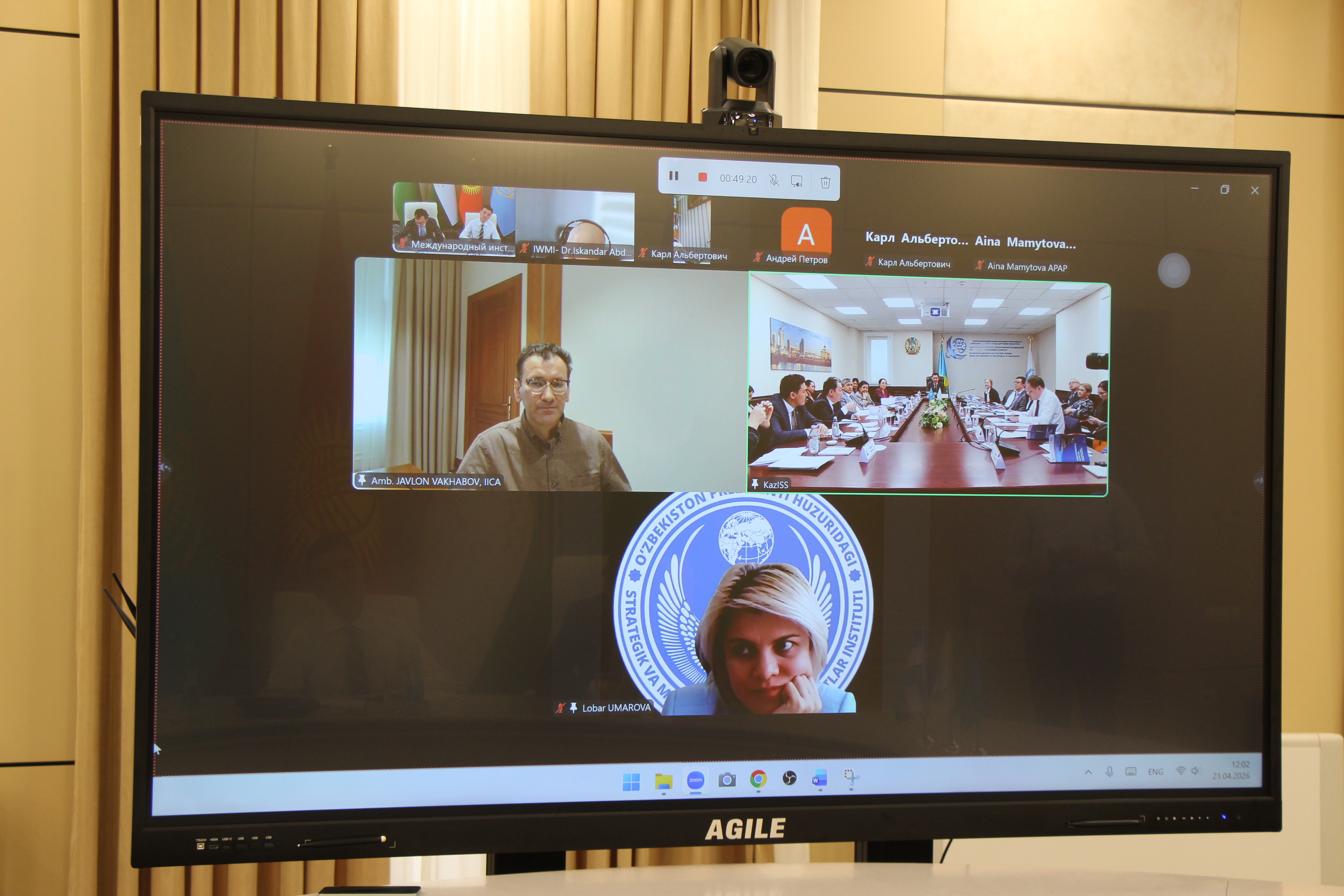
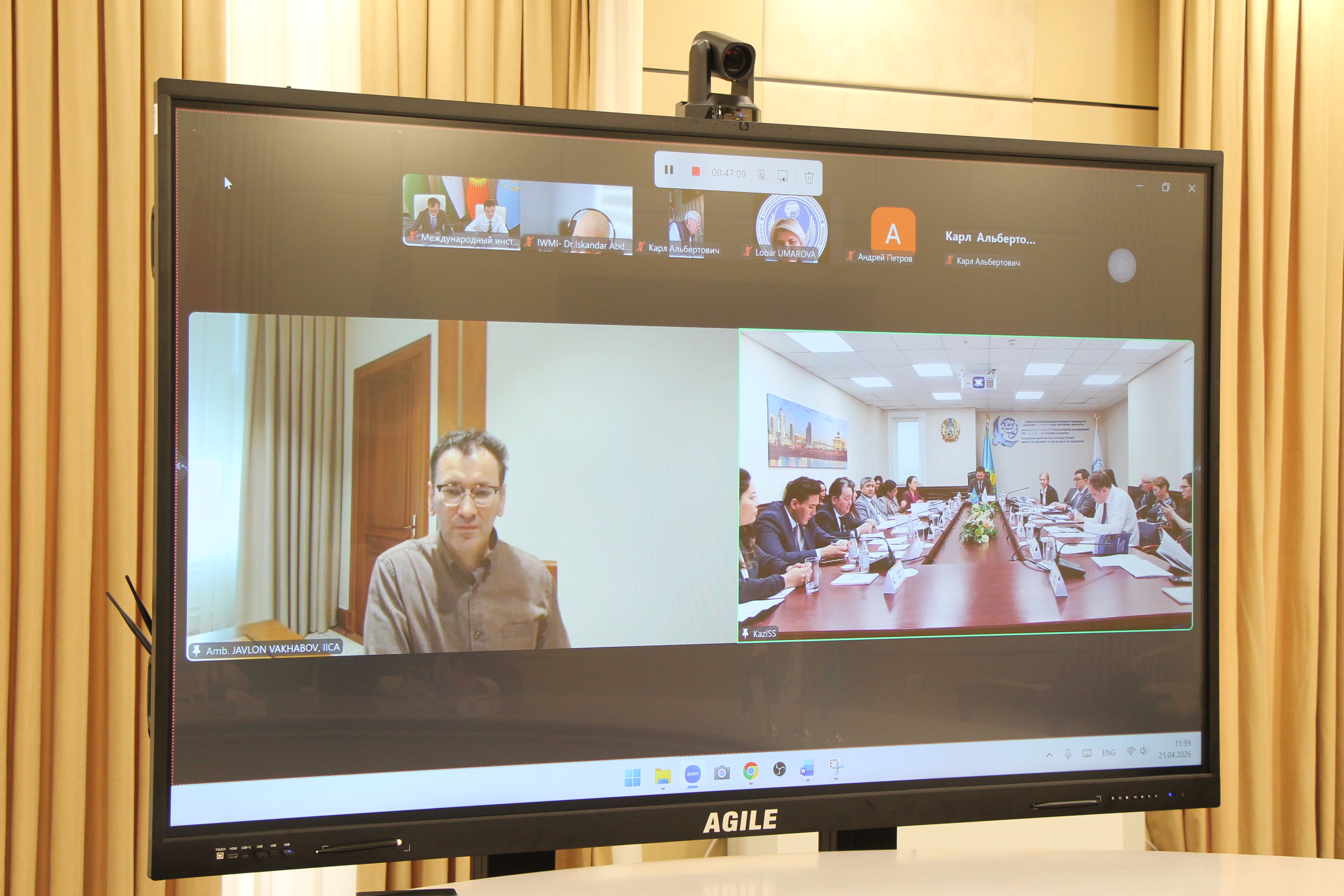
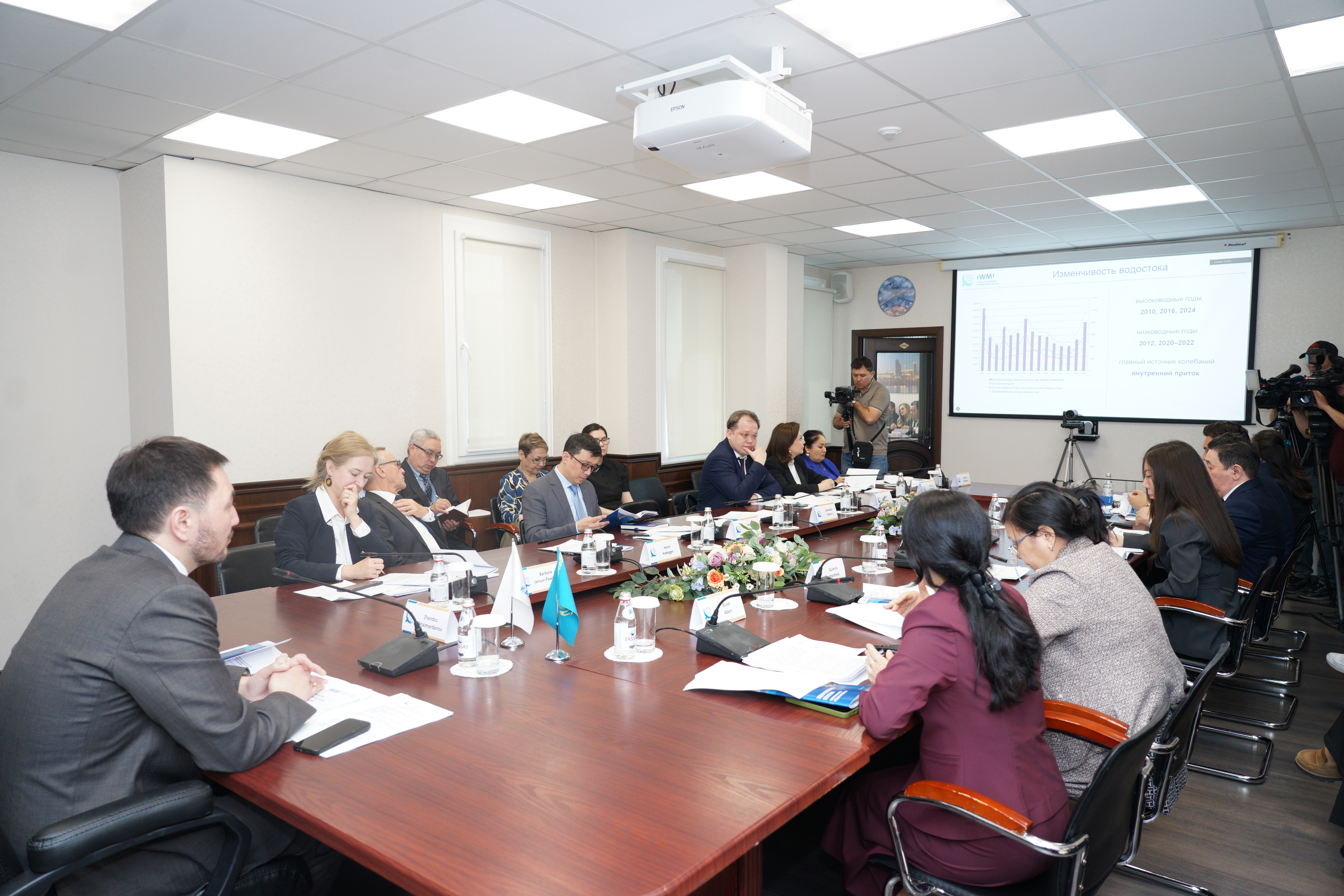
The event brought together representatives of government institutions, international organizations, and research institutes from Kazakhstan and across Central Asia.
Opening the event, KISI Director Zhandos Shaimardanov emphasized the need for a systemic approach to water management and closer coordination among government agencies, the scientific community, and international partners in the face of growing climate challenges. He noted that the measures being implemented in Kazakhstan contribute not only to strengthening national water security but also to enhancing regional resilience.
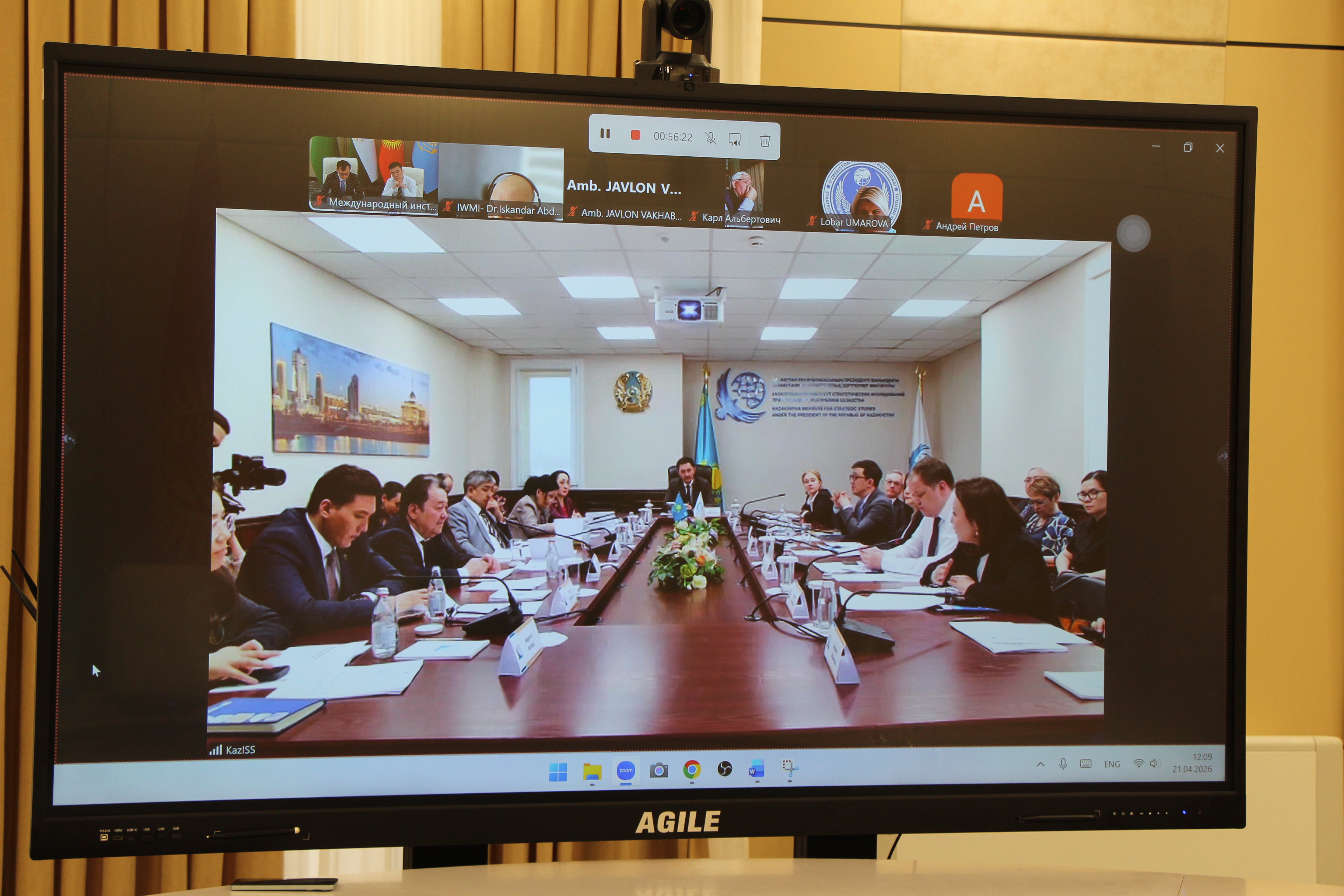
Barbara Janusz-Pawletta, IWMI Regional Representative for Central Asia, highlighted the importance of sustained regional cooperation. She underlined key priorities, including the development of coordinated approaches to water security, the formulation of practical recommendations for improving transboundary water governance, and the further strengthening of the legal framework for cooperation in the water sector.
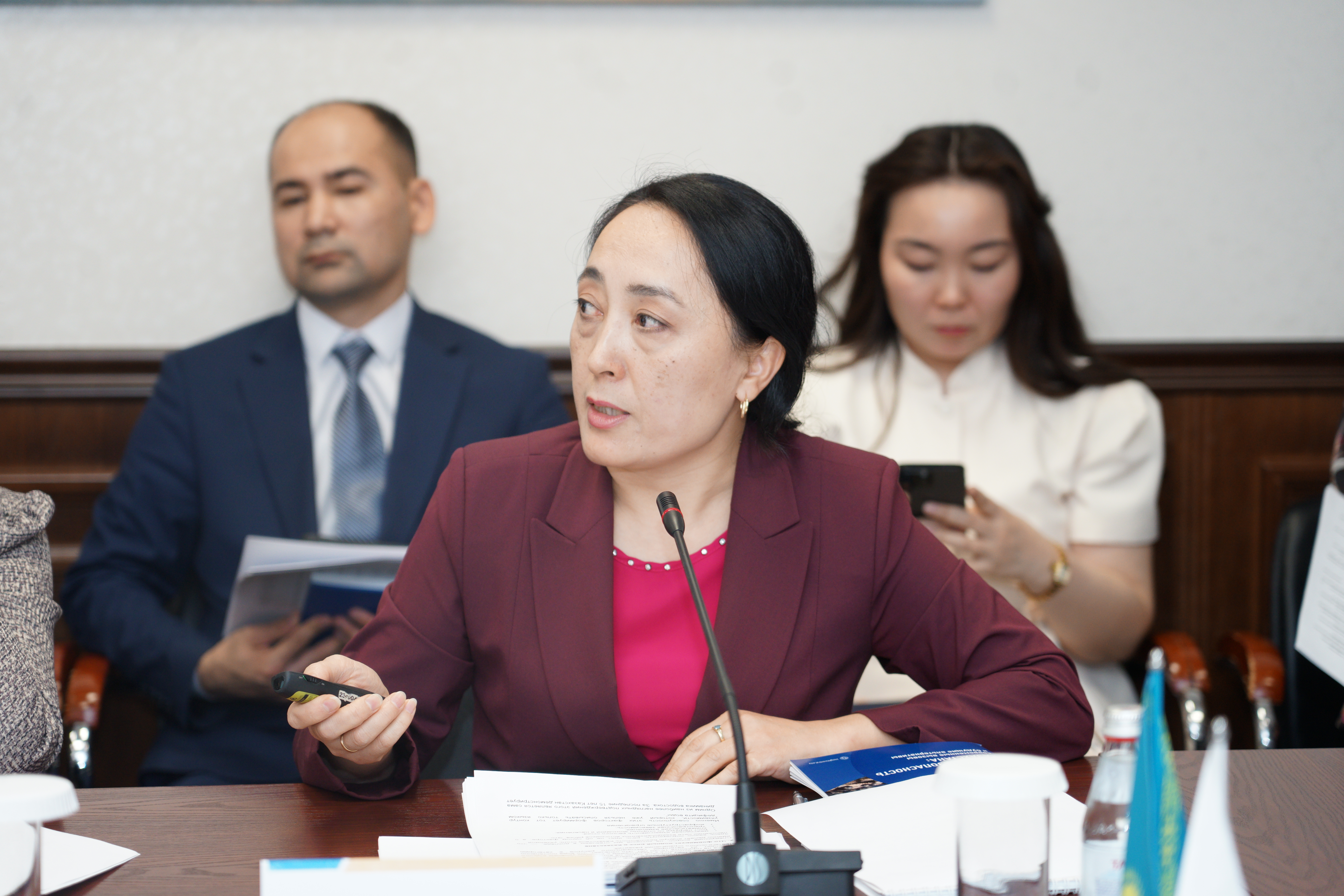
Asel Aben, Chief Expert at KISI’s Department of Economic Policy Analysis, noted that the initiatives and recommendations outlined in the report are aimed at improving the efficiency of Kazakhstan’s water sector, with positive implications for the sustainable development of the broader Central Asian region.
During the discussion, IICA Director Javlon Vakhabov emphasized the timeliness and relevance of the report, noting that it provides valuable insight into Kazakhstan’s national approaches to water management and water security. He added that the document can serve as a useful reference point for comparing these approaches with practices across Central Asia, where water issues are becoming increasingly strategic.

The event concluded with an exchange of views on improving water governance and strengthening the sector’s capacity to respond to current and long-term challenges.