The forum brought together representatives of government institutions, international organizations, and expert communities to discuss pressing issues related to food security, overcoming geographical and transport-related constraints, expanding market access, and strengthening regional economic cooperation.
The event was attended by representatives of the Food and Agriculture Organization of the United Nations (FAO), the World Trade Organization, the International Trade Centre, the World Bank, the European Bank for Reconstruction and Development, and other international institutions.
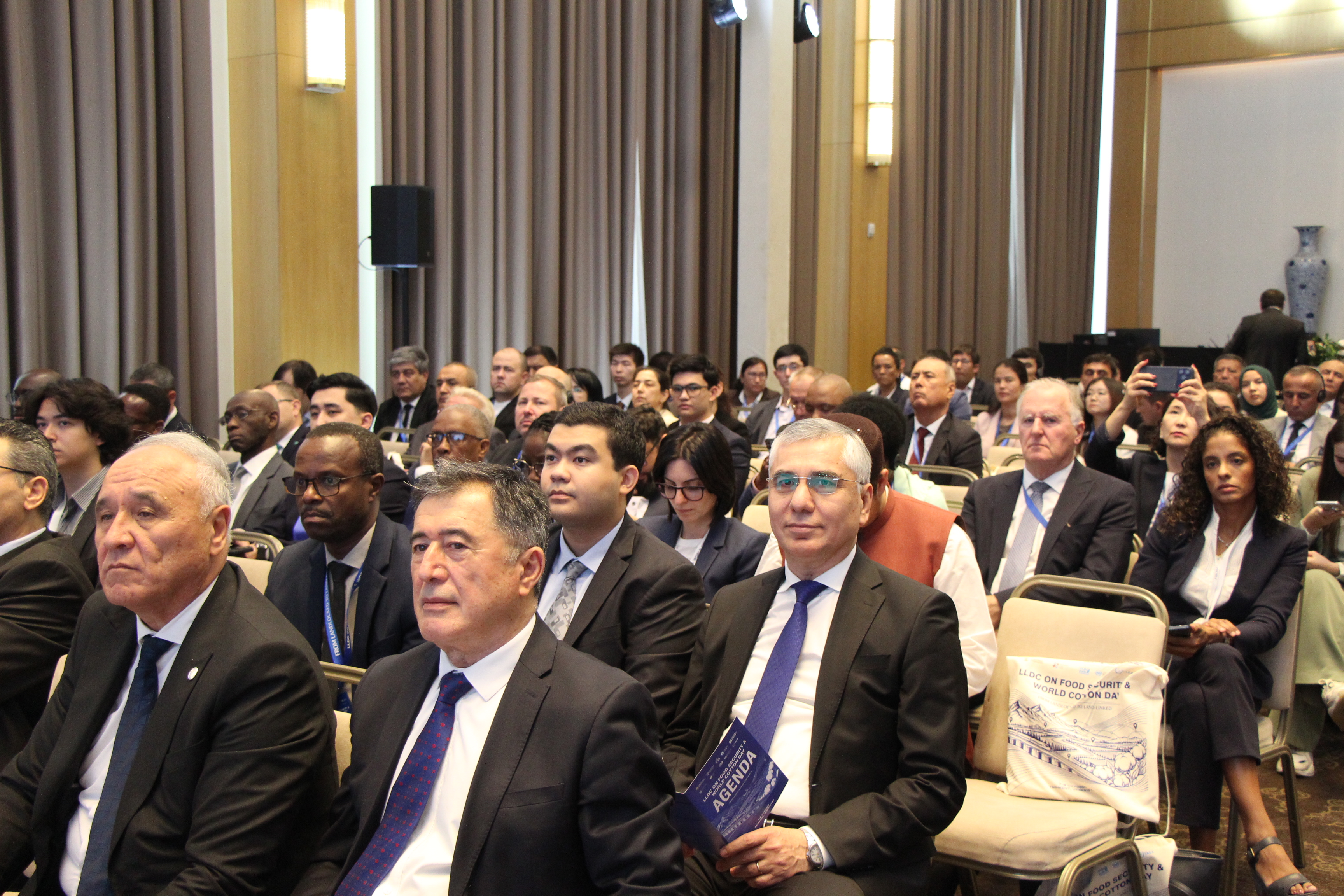
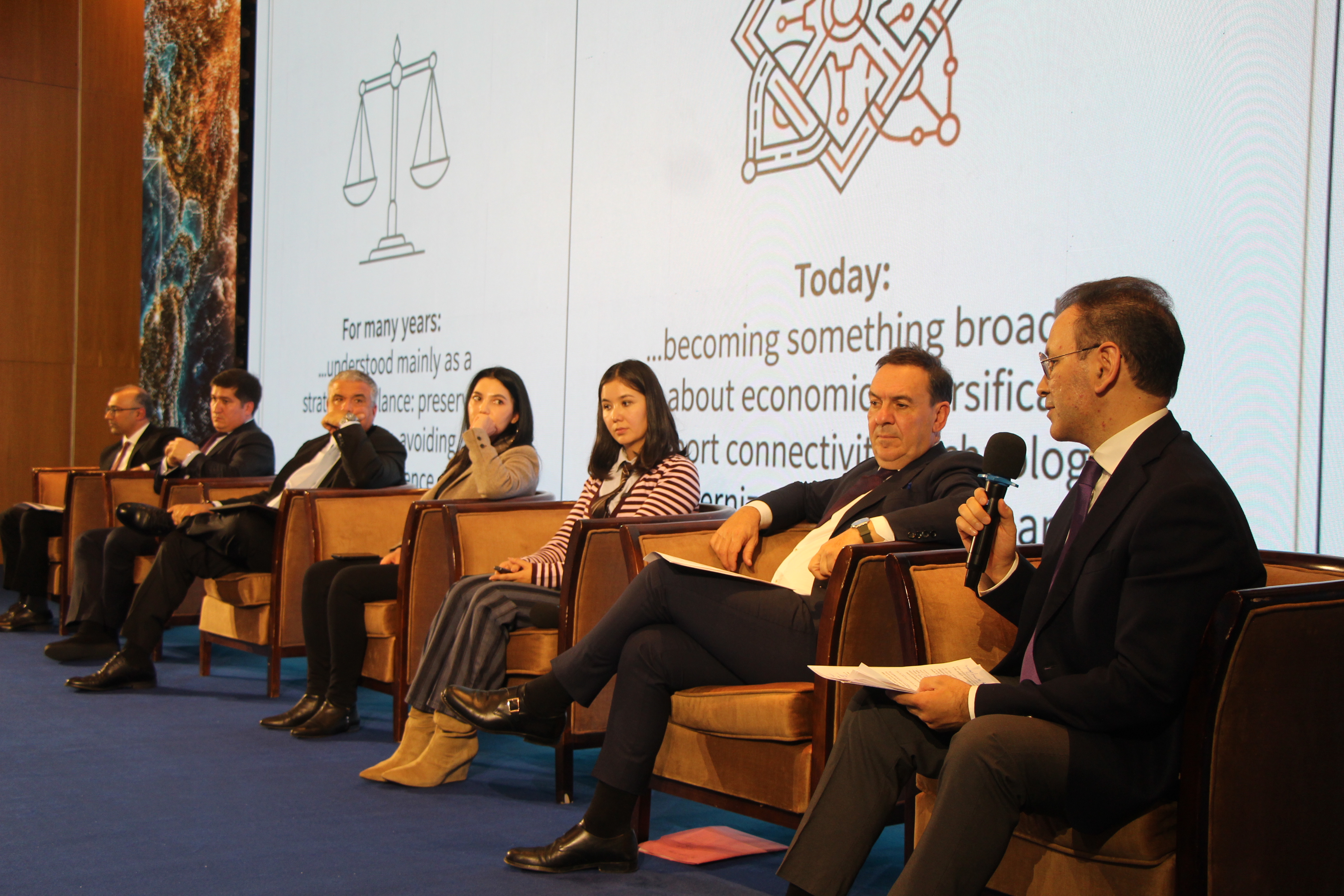
Speaking at the thematic session “Trade, Market Access and Regional Integration,” director of the International Institute for Central Asia (IICA) Javlon Vakhabov highlighted the significant progress Central Asia has made over the past decade in strengthening political trust and regional cooperation. He emphasized the important role played by the policy of President of Uzbekistan Shavkat Mirziyoyev, grounded in the principles of good-neighborliness and open dialogue.
According to J. Vakhabov, the countries of the region now face a strategic imperative: to move beyond political consolidation towards deeper economic integration, built on interconnected markets, production chains, energy systems, and transport networks.
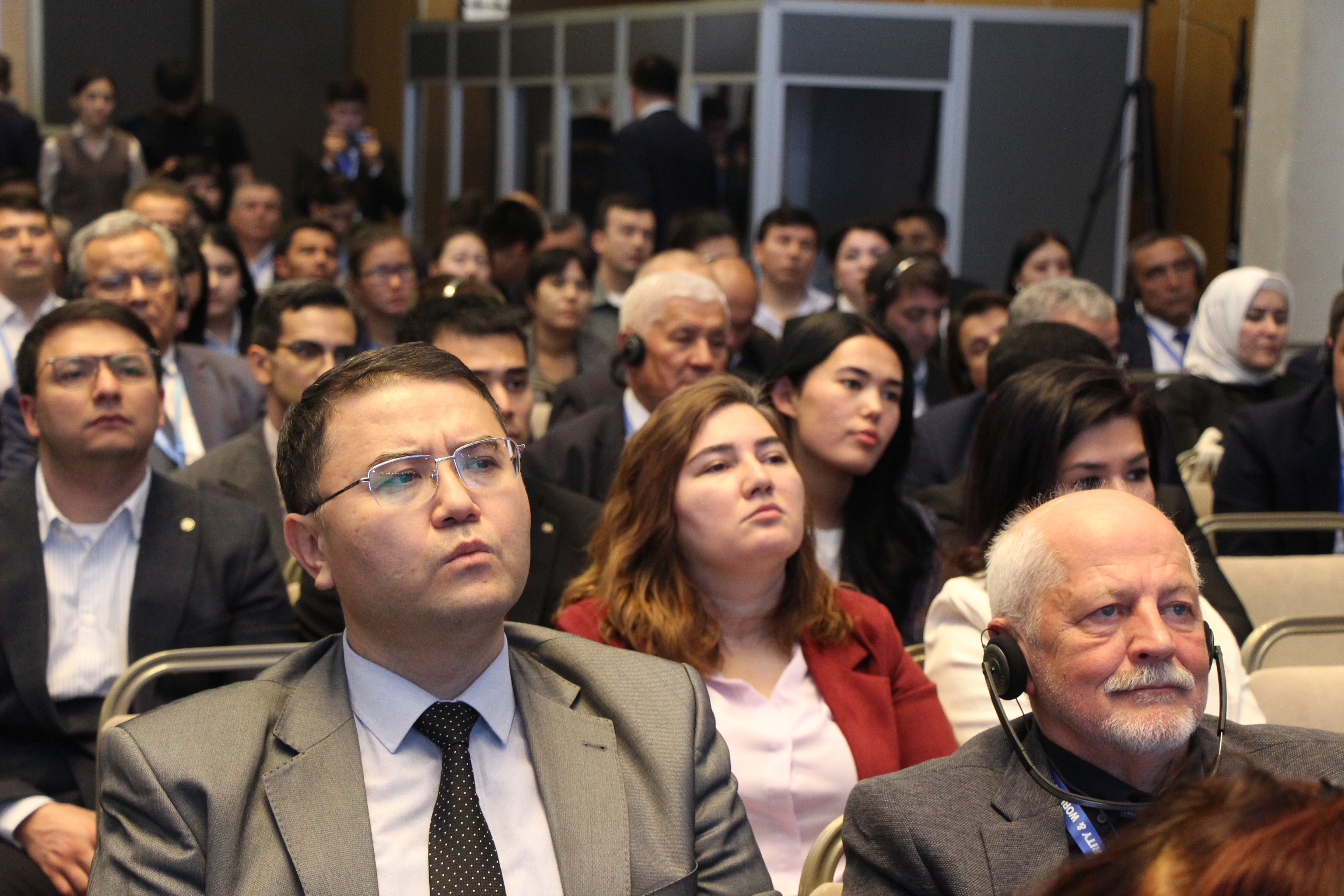
In this context, he outlined three key priorities: removing trade barriers and promoting cross-border industrial cooperation; strengthening complementarity in water and energy resources; and diversifying transport corridors while developing new industrial and logistics capacities along these routes.
Particular emphasis was placed on the need to transform Central Asia’s geographical constraints into new economic opportunities by enhancing regional connectivity and expanding access to international markets.
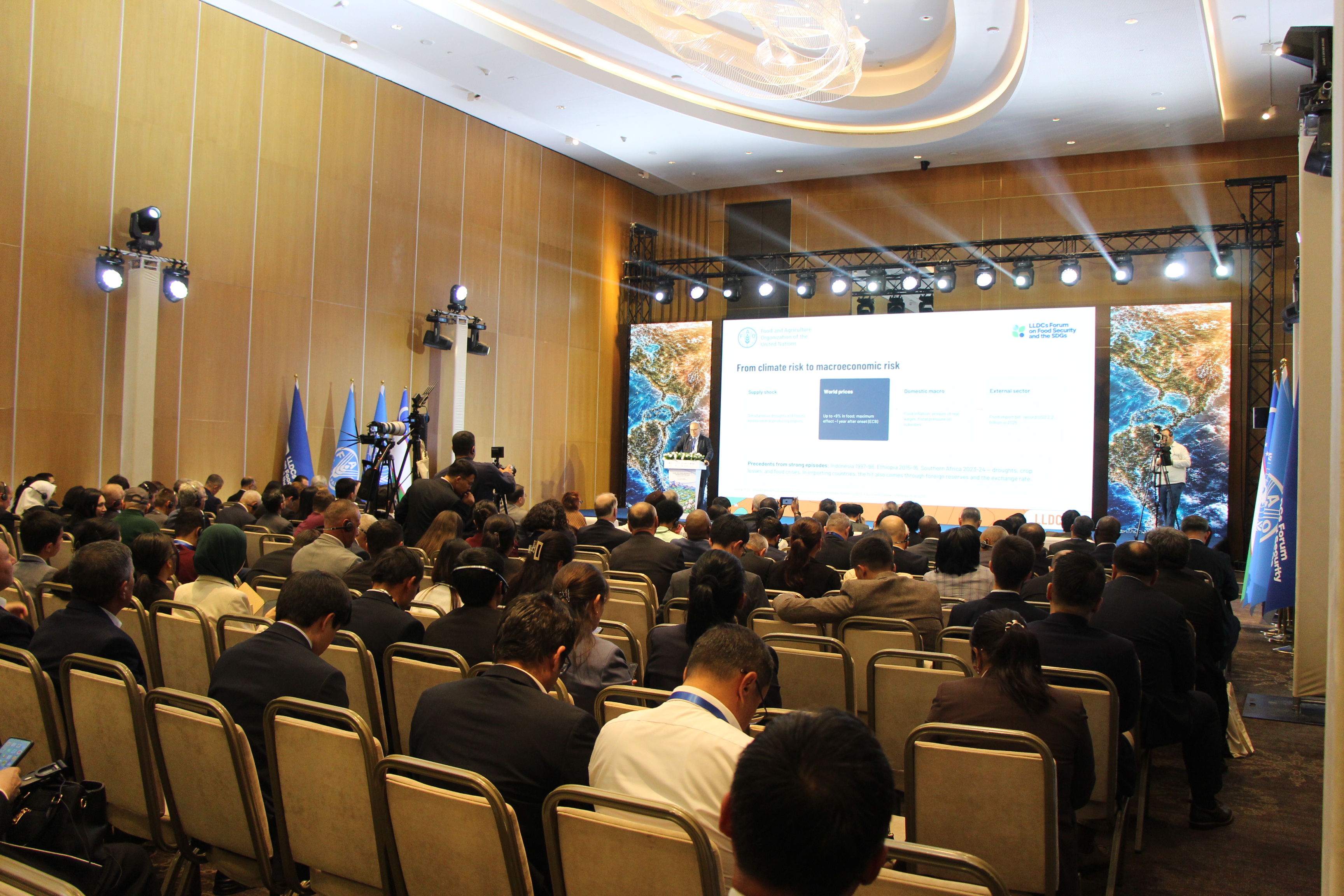
“We cannot change Central Asia’s geography, but we can change what it means for our countries,” the IICA Director stressed.
In conclusion, J. Vakhabov expressed confidence that further deepening regional integration would make it possible to transform Central Asia from a region constrained by geography into a space united by new economic opportunities.